

Plating for Implantable Medical Devices
Comments Off on Plating for Implantable Medical DevicesImplantable medical devices operate in the most demanding environment any manufactured component ever encounters: inside the human body. It’s one of the most chemically and electrically hostile environments any manufactured component ever encounters, and it is completely unforgiving of surface finish decisions made without enough rigor. The plating finish on an implantable component has to […]

Electroplating for Miniaturized Designs: Why Standard Methods Fall Short and What to Specify Instead
Comments Off on Electroplating for Miniaturized Designs: Why Standard Methods Fall Short and What to Specify InsteadMiniaturization is accelerating across aerospace, medical devices, consumer electronics, and telecommunications. Components that once had room to spare are now smaller than ever — micro-sized headers, connector clips, chip capacitors, resistors, varistors, and inductors are standard parts in today’s designs. The finishing requirements for these components haven’t changed. They still need corrosion resistance, conductivity, wear […]
How Electroplating Enhances Solderability: What Engineers Need to Know Before Writing the Spec
Comments Off on How Electroplating Enhances Solderability: What Engineers Need to Know Before Writing the SpecPicture this: a batch of parts comes back from the assembly line with failed solder joints. Your quality team flags the plating. Your plating supplier runs the tape, checks the adhesion, checks the thickness, and comes back with a report that shows everything was in spec. So what went wrong? It’s a familiar story in […]

Electroplating for Space: Plating Processes that Ensure Performance in Orbit
Comments Off on Electroplating for Space: Plating Processes that Ensure Performance in OrbitSpace is unlike any other operating environment. It exposes components to temperature swings that can range from scorching hot in direct sunlight to hundreds of degrees below zero in shadow, sometimes cycling multiple times per orbit. There’s no atmosphere to provide corrosion resistance the way it does on Earth. Radiation exposure degrades materials over time. […]
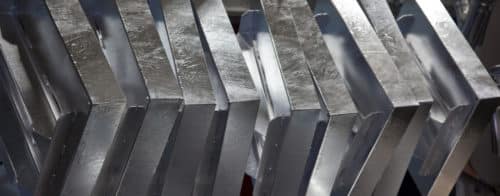
Electroless Nickel vs. Electrolytic Nickel Plating
Comments Off on Electroless Nickel vs. Electrolytic Nickel PlatingWhen a customer asks, “Should I use electroless or electrolytic nickel?”, the answer is not always straightforward. The two nickel plating processes share a name and a metal, but they’re fundamentally different in their chemistry, their mechanics, and the problems they’re each best suited to solve. Getting the choice wrong doesn’t just affect aesthetics; it […]

Understanding Common Electroplating Testing Standards: What Engineers Need to Know
Comments Off on Understanding Common Electroplating Testing Standards: What Engineers Need to KnowMost engineers inherit plating specifications from legacy designs or rely on what is commonly used in their industry for similar applications. But here’s the challenge: Do those standards actually validate what your part needs to do in the field?

Most Common Plating Problems: Why They Occur and How to Solve Them
Comments Off on Most Common Plating Problems: Why They Occur and How to Solve ThemWhen precision plating matters, even minor issues can cascade into significant performance failures and costly rework. After decades of serving aerospace, automotive, medical, and electronics manufacturers, we’ve seen recurring plating challenges that disrupt production schedules and compromise component reliability. Understanding these problems and their root causes is essential for engineers specifying plating requirements and manufacturers […]

Tri-Alloy Plating Applications for Emerging Technologies
Comments Off on Tri-Alloy Plating Applications for Emerging TechnologiesWhy Tri-M3TM Tri-Alloy Plating Is Enabling Next-Generation Technology Performance (7 Use Cases) Engineers developing next-generation RF connectors, telecommunications infrastructure, and high-frequency components face a persistent tradeoff: silver delivers superior electrical conductivity but tarnishes rapidly and drives up costs, while nickel offers durability and corrosion resistance but introduces magnetic interference that degrades signal quality. This compromise […]
Matte Nickel vs. Bright Nickel Plating: A Technical Guide for Specification and Application Selection
Comments Off on Matte Nickel vs. Bright Nickel Plating: A Technical Guide for Specification and Application SelectionWhen your engineering prints call for “nickel plating” without specifying the chemistry, you’re leaving critical performance decisions to interpretation. The choice between matte (sulfamate) and bright (sulfate) nickel isn’t only about cosmetics. It’s an engineering decision that impacts mechanical properties, coverage uniformity, and long-term reliability in ways that can make or break your application’s performance.
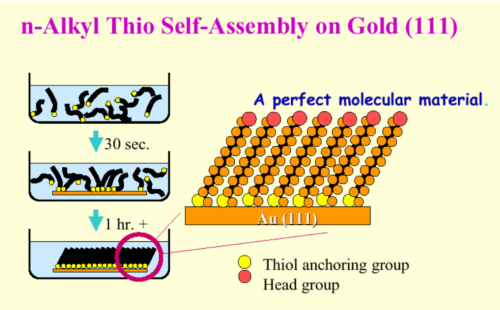
Why SAMs Will Shape the Future of Surface Engineering in High-Reliability Industries (7 Use Cases)
Comments Off on Why SAMs Will Shape the Future of Surface Engineering in High-Reliability Industries (7 Use Cases)As manufacturing industries push the boundaries of miniaturization, performance, and cost efficiency, traditional surface finishing approaches face mounting limitations. Components in aerospace, telecommunications, medical devices, and advanced electronics require surfaces that deliver exceptional performance characteristics while meeting increasingly stringent dimensional tolerances. Self-assembled monolayers (SAMs) represent a breakthrough approach to surface engineering that addresses these challenges […]